ECHOES OF SPAIN
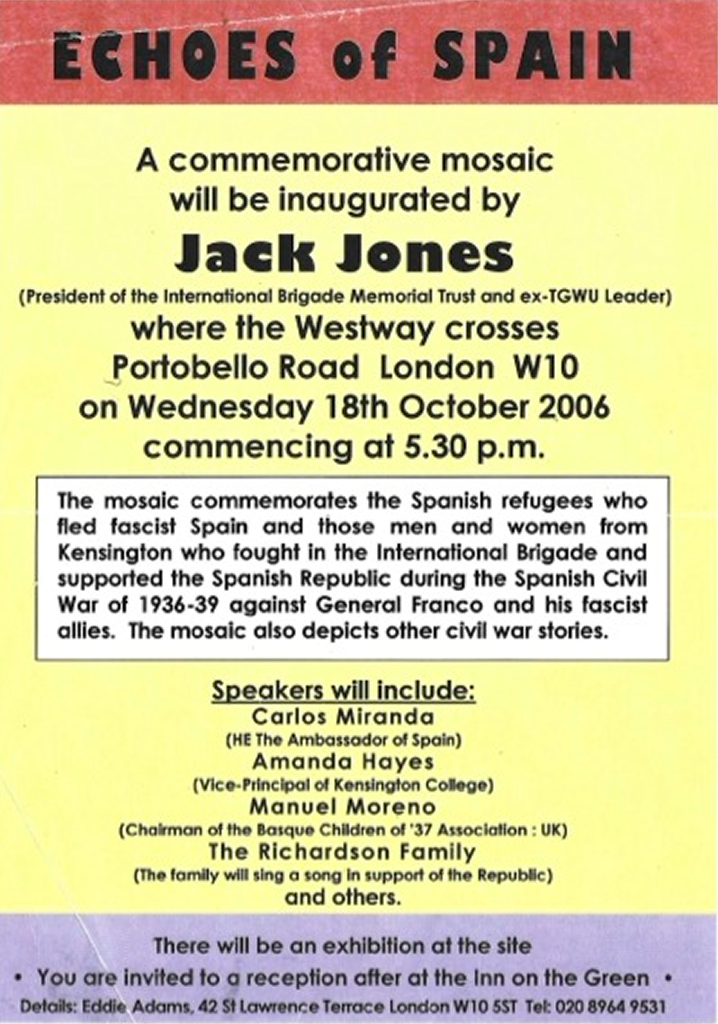
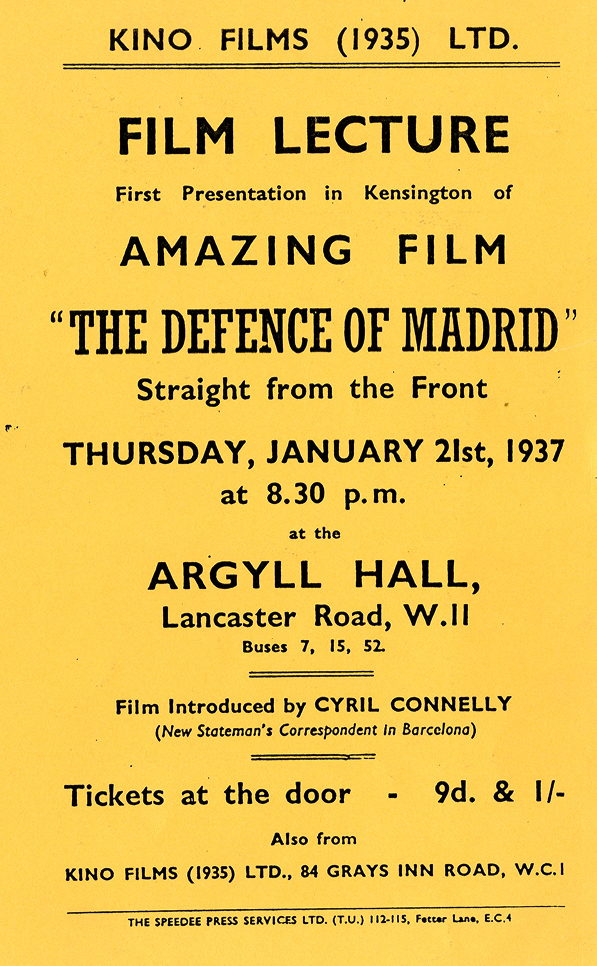
This mosaic was created by members of the local community in memory of the people from this area who volunteered to fight in defence of the democratically elected Government of Spain in the 1930s. It remembers all those who supported the struggle against the fascist coup and all the refugees and exiles who came to West London.
The mosaic was unveiled on 18th October 2006 by the Spanish Ambassador Carlos Miranda and Jack Jones the General Secretary of the Transport and General Workers’ Union who had served in one of the International Brigades during the Spanish Civil War
MOSAIC LEGEND
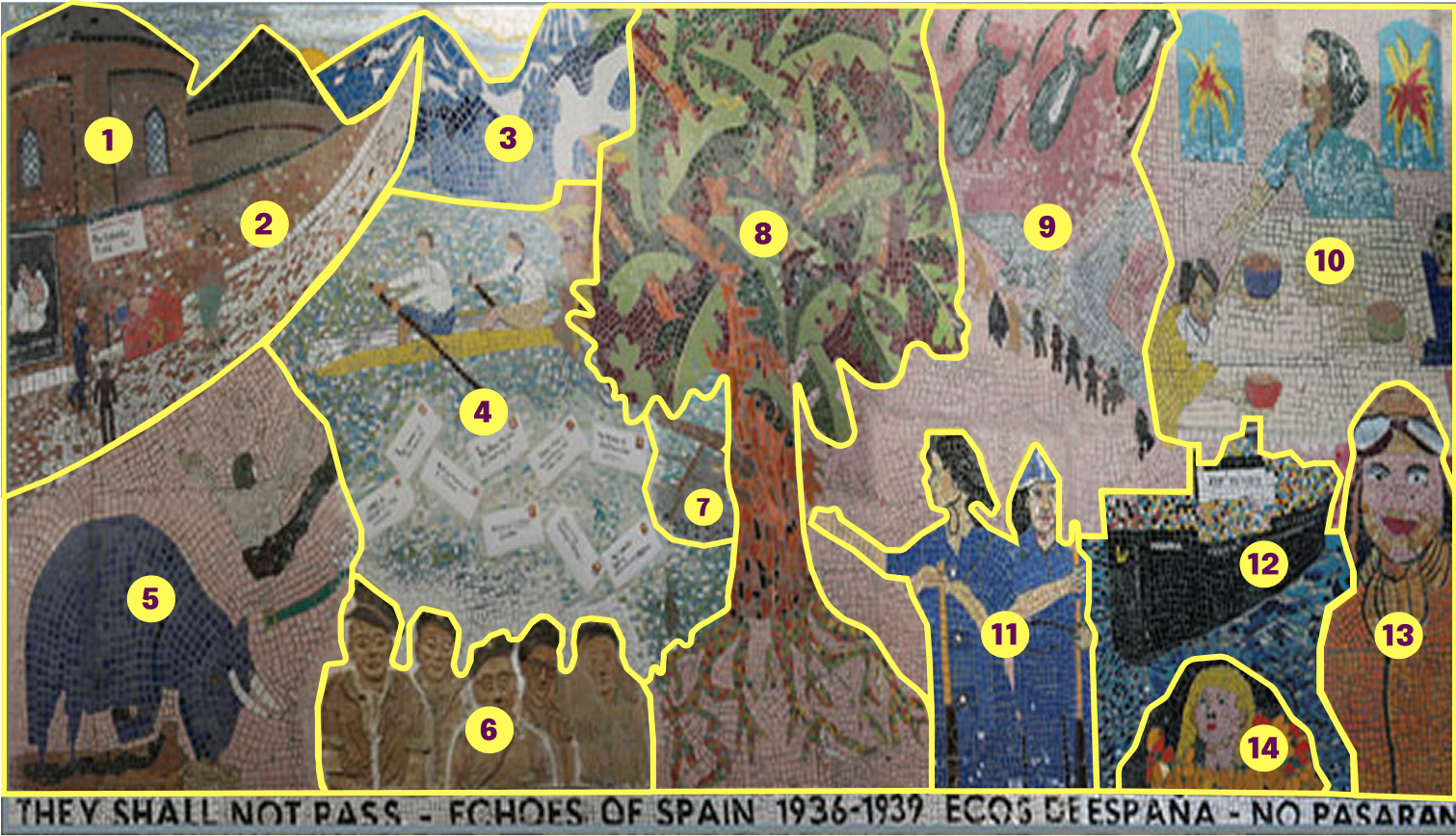



The Spanish school, which is still in Portobello Road in 2024.
“Aid for Spain”. A set of posters were designed by Felicity Ashbee (1913 – 2008).
Regular street meetings were organised in Portobello Road by the local Communist Party to promote the recruitment of volunteers to aid the Spanish Republican Government’s defence against the Fascist coup of General Franco.
A clandestine route over the Pyrenees. The ‘Non-Intervention’ Committee of 30 nations prohibited foreign citizens from participating in the Spanish conflict.
However ‘vacationers’ arrived in France and were smuggled over the Pyrenees to participate in the struggle to defend the Republic against the military coup.
Raising awareness in the UK. Lewis Clive, a Kensington Labour Party Councillor, author of ‘The People’s Army’ and Olympic rowing gold medallist, orchestrated a letter writing campaign to members of Parliament and the House of Lords, pleading for action to defend the legitimately elected Government in Spain from the military coup by Franco.
Reginald Rose, a volunteer, crossed the Pyrenees at night and joined the Spanish Republican Army.
On a break from the fighting at the front, he participated in an amateur bullfight to impress his Spanish girlfriend. The bull’s horn tore off his belt; his pants dropped and an embarrassed female disappeared!
International Brigades were military units of volunteers from many countries, including 2,500 men and women from Britain. They were primarily set up by the Communist International in September 1936 to assist the democratically elected Popular Front Republican Government against Franco’s fascist forces.
They were dissolved on 23rd September 1938 to appease and gain support from the liberal democracies of the Non Intervention Committee.
T-26 tank - Juan Moreno Senior, as a member of the Youth Brigade and a Communist, progressed from training in the defence of Madrid and joined the Republican Battalion as a tank driver in the local battles against the combined Spanish, German and Italian fascist forces with their superior air power and weaponry.
The ancient Sacred Oak of Guernica – Gernikako Arbola - is a symbol of the traditional freedoms and history of the Basque people.


On 26 th April 1937 the Basque town of Guernica was bombed from the air by the German Luftwaffe. Thousands of people were in the town centre for market day. German and Italian aircraft dropped 31 tons of munitions.
Aerial bombardment obliterated 80% of the buildings, killing and wounding 2,500 people, a third of the population. Claiming this was done in support of the insurgent Francoist cause, Nazi Germany used Guernica to experiment with new strategies, such as the blanket bombing, prior to World War Two.
Emilia Santana escapes to Gibraltar from her home in ‘La Linea’ Spain. On 18th July 1936 she and her sisters thought that the bangs they heard were fireworks but they were gunshots in the street. Franco’s troops had begun the coup and were raiding house to house, dragging out and injuring and killing those known not to support the coup.
Emilia’s father was born in Gibraltar, and a British citizen, which enabled her mother, Flora, to grab their ID cards and the girls and make their way to the frontier gates with Gibraltar. They were evacuated in May 1940, sailing on the ‘Neuralia’, and were billeted in Holland Park.
In 1946 the family returned to Gibraltar but Emilia was expelled as she had married a non-Gibraltarian, Antonio Santana, a Spaniard serving in the British army. She lived in North Kensington until her death in 2004 and attended some of the mosaic sessions with her son, Alfonso.
Milicianas, the women defenders of Madrid. An immediate success for Franco’s coup was obstructed in part by women, participating in a spontaneous uprising against it.
Women were not recruited into militias, like the men, so they had to choose to join up and fight. About 1,000 were involved in fighting alongside men at the fronts, in mixed battalions and many more served in battalions in defence of the cities. The largest of these was a women-only battalion known as the Milicianas, tasked with the defence of Madrid.
4,000 Refugee children, mainly from the Basque country, left the port of Santurce in Bilbao overcrowded onto the ‘Habana’, a ship fit to carry 1,000 people. They arrived in Southampton on 19 th May 1937. Initially they lived in tents at Stoneham Camp near Eastleigh.
When it was closed for winter the children were dispersed to over 90 centres around Britain helped by the British people and the Basque Children’s Committee.
Mari Pepa Colomer was the first and youngest woman in Spain to qualify as a pilot. She instructed and trained male Republican fliers; flew airborne ambulances and aided escapes to France.
Elvira Medrano, a Republican child, was born in Madrid in 1924 and educated in a Republican school. Her father worked for the Spanish railway. Her family left home and stayed with an aunt. She missed her father so much that she hid in a lorry loaded with oranges, and then walked for hours, to find him. When Madrid fell, the family were imprisoned and tortured. She made it to North Kensington in 1952.
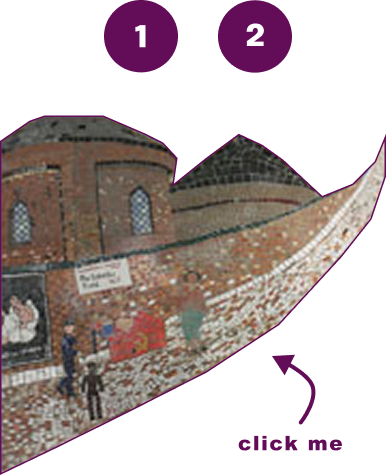
1. The Spanish school, which is still in Portobello Road in 2024. 2. “Aid for Spain”. A set of posters were designed by Felicity Ashbee (1913 – 2008). Regular street meetings were organised in Portobello Road by the local Communist Party to promote the recruitment of volunteers to aid the Spanish Republican Government’s defence against the Fascist coup of General Franco.
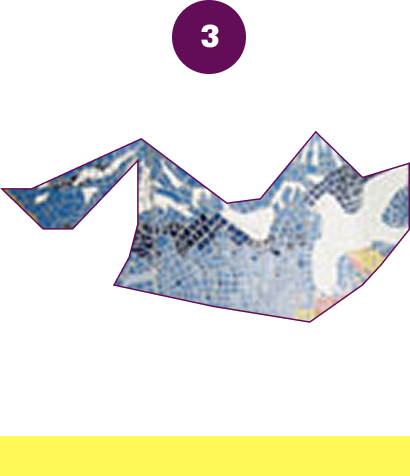
3. A clandestine route over the Pyrenees. The ‘Non-Intervention’ Committee of 30 nations prohibited foreign citizens from participating in the Spanish conflict. However ‘vacationers’ arrived in France and were smuggled over the Pyrenees to participate in the struggle to defend the Republic against the military coup.
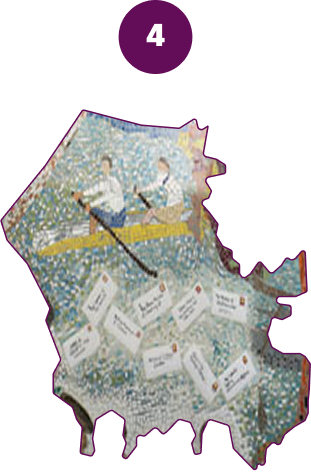
4. Raising awareness in the UK. Lewis Clive, a Kensington Labour Party Councillor, author of ‘The People’s Army’ and Olympic rowing gold medallist, orchestrated a letter writing campaign to members of Parliament and the House of Lords, pleading for action to defend the legitimately elected Government in Spain from the military coup by Franco.
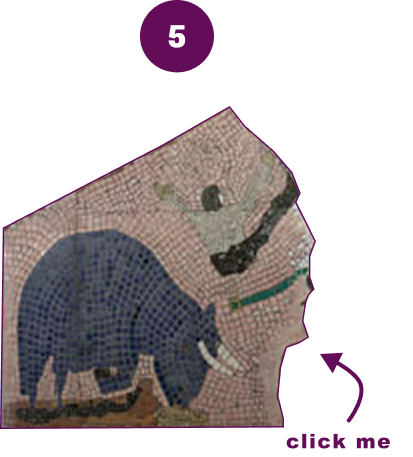
5. Reginald Rose, a volunteer, crossed the Pyrenees at night and joined the Spanish Republican Army. On a break from the fighting at the front, he participated in an amateur bullfight to impress his Spanish girlfriend. The bull’s horn tore off his belt; his pants dropped and an embarrassed female disappeared!
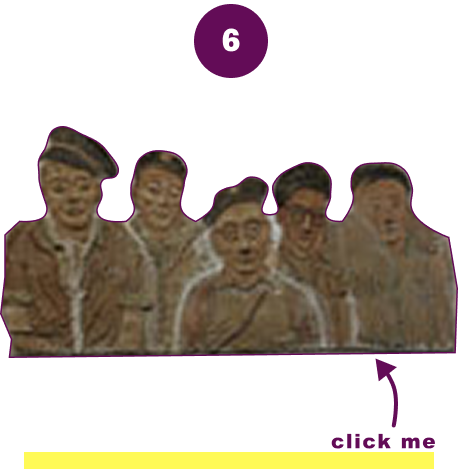
6. International Brigades were military units of volunteers from many countries, including 2,500 men and women from Britain. They were primarily set up by the Communist International in September 1936 to assist the democratically elected Popular Front Republican Government against Franco’s fascist forces. They were dissolved on 23rd September 1938 to appease and gain support from the liberal democracies of the Non Intervention Committee.
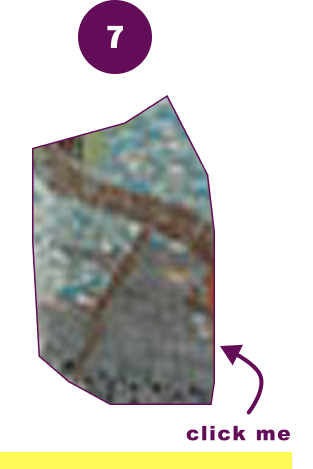
7. T-26 tank - Juan Moreno Senior, as a member of the Youth Brigade and a Communist, progressed from training in the defence of Madrid and joined the Republican Battalion as a tank driver in the local battles against the combined Spanish, German and Italian fascist forces with their superior air power and weaponry.
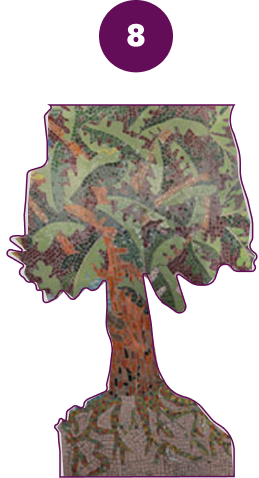
8. The ancient Sacred Oak of Guernica – Gernikako Arbola -is a symbol of the traditional freedoms and history of the Basque people
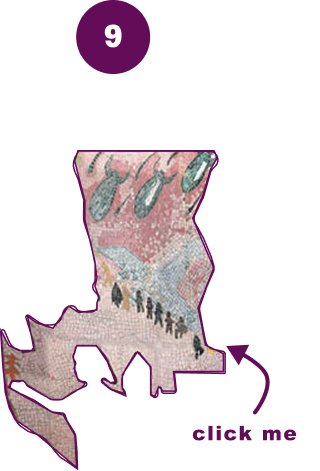
9. On 26th April 1937 the Basque town of Guernica was bombed from the air by the German Luftwaffe. Thousands of people were in the town centre for market day. German and Italian aircraft dropped 31 tons of munitions. Aerial bombardment obliterated 80% of the buildings, killing and wounding 2,500 people, a third of the population. Claiming this was done in support of the insurgent Francoist cause, Nazi Germany used Guernica to experiment with new strategies, such as the blanket bombing, prior to World War Two.
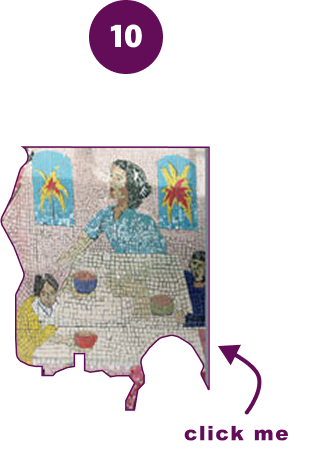
10. Emilia Santana escapes to Gibraltar from her home in ‘La Linea’ Spain. On 18th July 1936 she and her sisters thought that the bangs they heard were fireworks but they were gunshots in the street. Franco’s troops had begun the coup and were raiding house to house, dragging out and injuring and killing those known not to support the coup. Emilia’s father was born in Gibraltar, and a British citizen, which enabled her mother, Flora, to grab their ID cards and the girls and make their way to the frontier gates with Gibraltar. They were evacuated in May 1940, sailing on the ‘Neuralia’, and were billeted in Holland Park. In 1946 the family returned to Gibraltar but Emilia was expelled as she had married a non-Gibraltarian, Antonio Santana, a Spaniard serving in the British army. She lived in North Kensington until her death in 2004 and attended some of the mosaic sessions with her son, Alfonso.
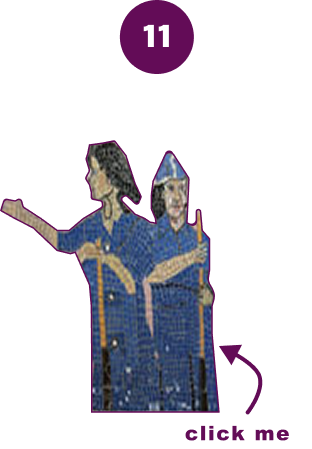
11. Milicianas, the women defenders of Madrid. An immediate success for Franco’s coup was obstructed in part by women, participating in a spontaneous uprising against it. Women were not recruited into militias, like the men, so they had to choose to join up and fight. About 1,000 were involved in fighting alongside men at the fronts, in mixed battalions and many more served in battalions in defence of the cities. The largest of these was a women-only battalion known as the Milicianas, tasked with the defence of Madrid.
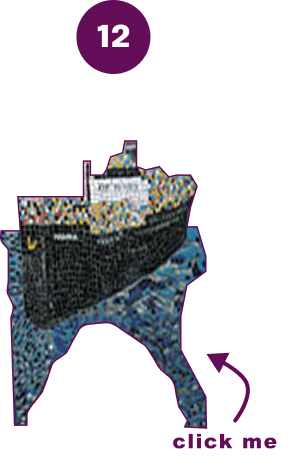
12. 4,000 Refugee children, mainly from the Basque country, left the port of Santurce in Bilbao overcrowded onto the ‘Habana’, a ship fit to carry 1,000 people. They arrived in Southampton on 19 th May 1937. Initially they lived in tents at Stoneham Camp near Eastleigh. When it was closed for winter the children were dispersed to over 90 centres around Britain helped by the British people and the Basque Children’s Committee.

13. Mari Pepa Colomer was the first and youngest woman in Spain to qualify as a pilot. She instructed and trained male Republican fliers; flew airborne ambulances and aided escapes to France.
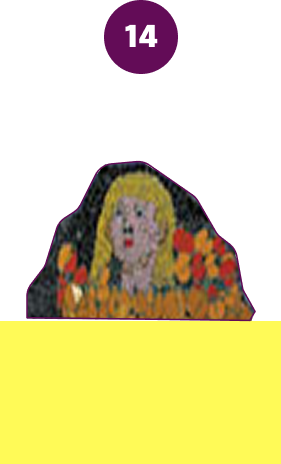
14. Elvira Medrano, a Republican child, was born in Madrid in 1924 and educated in a Republican school. Her father worked for the Spanish railway. Her family left home and stayed with an aunt. She missed her father so much that she hid in a lorry loaded with oranges, and then walked for hours, to find him. When Madrid fell, the family were imprisoned and tortured. She made it to North Kensington in 1952.
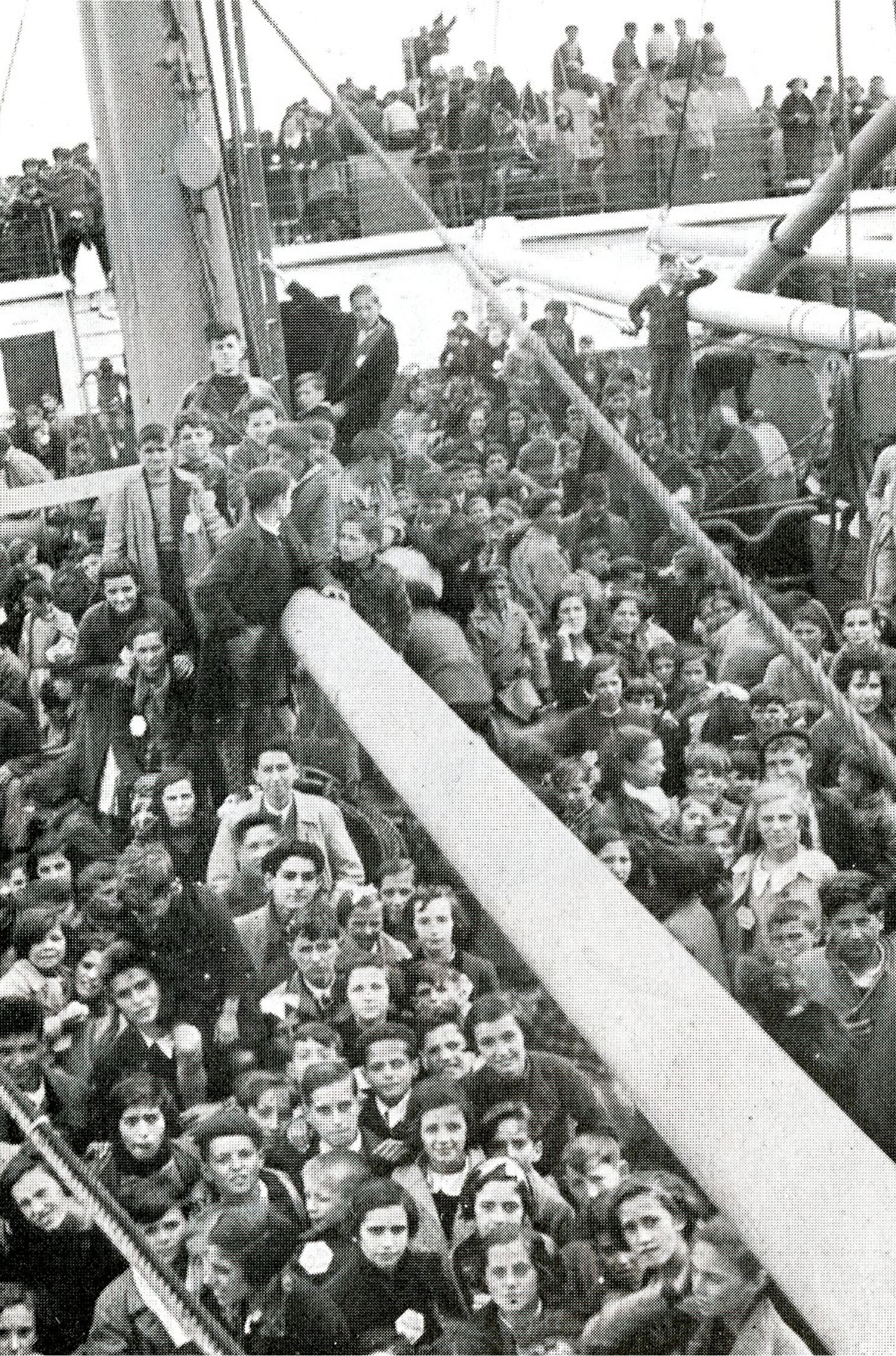
Refugees on the habana
Heart of the heartless world,
Dear heart, the thought of you
Is the pain at my side
The shadow that chills my view.
The wind rises in the evening,
Reminds that autumn is near.
I am afraid to lose you,
I am afraid of my fear.
On the last mile to Huesca,
The last fence for our pride,
Think so kindly, dear, that I
Sense you at my side.
And if bad luck should lay my strength
Into the shallow grave,
Remember all the good you can;
Don’t forget my love
Poem by John Cornford, who was one of the first British volunteers with the International Brigade, and who was killed at the Battle of Lopera, near Cordoba, within weeks of writing this poem, in December 1936, at the age of 21.